
iPhone 17 Long Term Review: 70 Days Later, Would I Still Buy It?
Story Highlights
With the iphone 17, you get a 120Hz ProMotion display that makes everything feel smoother, a screen that stays better outdoor readability, strong all-day battery helped by LTPO panel, the A19 that’s fast and stable, and a camera setup that’s more consistent than just “good in perfect light.”

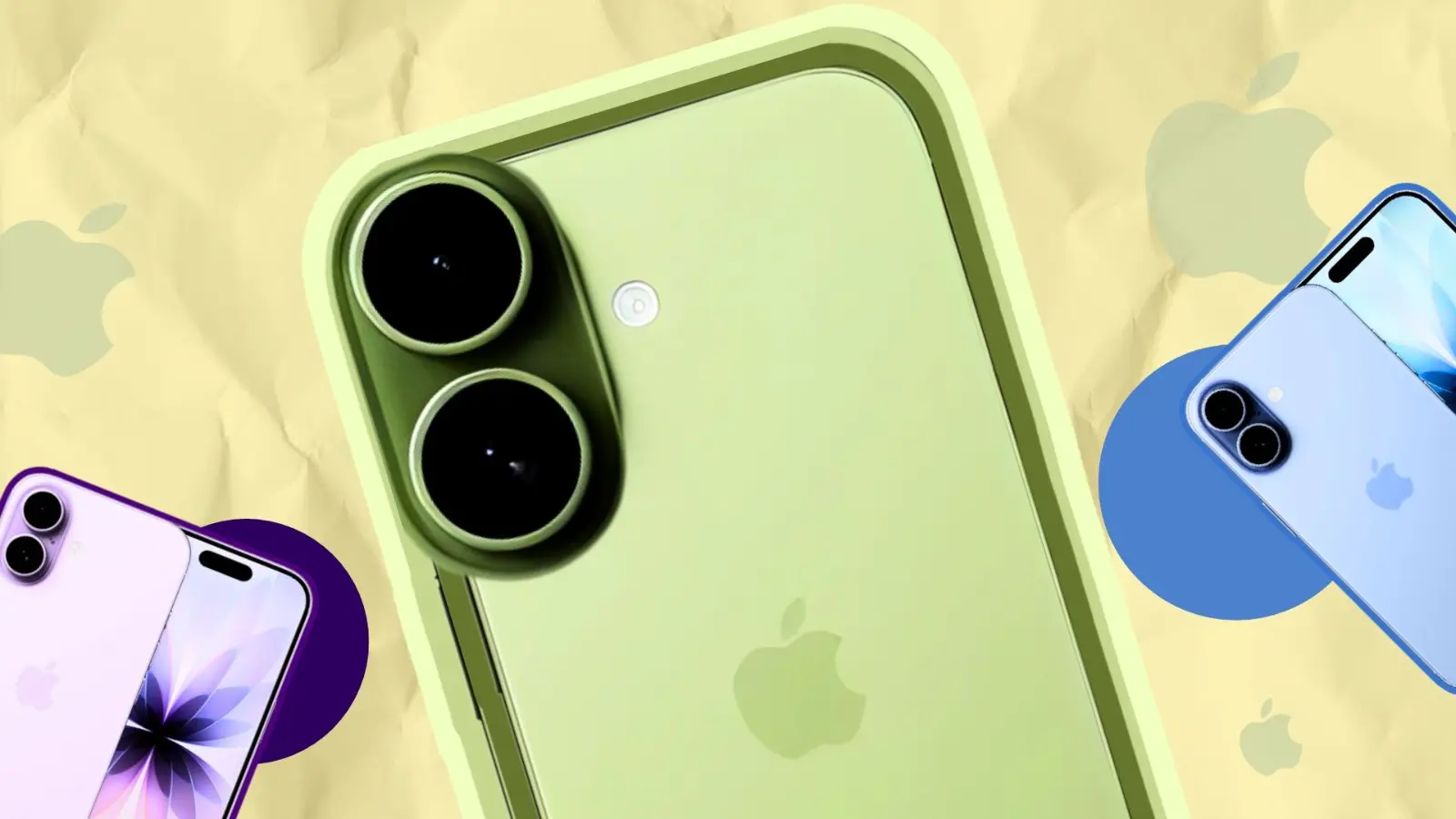
The iPhone 17 base variant is no longer the phone you buy just because you can't afford the Pro.
When the iPhone 17 series launched, the tech community buzzed with excitement, as it does every year. But this time felt different. After years of incremental updates, Apple finally brought solid upgrades to the base model. Better display, improved cameras, and enhanced overall performance. Apple fans were pleased. But do specs on paper translate to real-world benefits over the long term? I've spent the past 70 days with the iPhone 17. It’s been in pockets with keys, out in harsh sun during navigation, pushed through long gaming sessions, and used for photos in imperfect lighting. Now that the honeymoon phase is over, I can tell you what the iPhone 17 is really like to live with.
Design and Build: The iPhone 17's design looks familiar at first glance, but subtle changes reveal themselves once you hold it. Apple chose a 6.3-inch LTPO OLED display this time, slightly larger than the previous 6.1-inch models. When I first unboxed it two months ago, the size increase didn't feel. The weight distribution is excellent, and the phone doesn't feel heavy at 177 grams. The iPhone 16 was 170 grams, so the 7-gram difference is hardly noticeable. What's impressive is that the iPhone 17 is nearly 30 grams lighter than the iPhone 17 Pro despite sharing the same 6.3-inch screen size. The aluminum frame has a smooth texture. I've carried it without a case multiple times, and the grip feels solid. Aerospace-grade aluminum sounds fancy in marketing materials, but what matters is how it handles daily wear and tear.
The iPhone 17 maintains the familiar glass sandwich construction that Apple has used for years. Unlike the Pro models with their new unibody aluminum design, the base model sticks with a middle aluminum frame sandwiched between front and back glass panels. In colours, beyond traditional Black and White, you can get the iPhone 17 in Mist Blue, Lavender, and Sage variants. These options have a pastel-like, subdued appearance rather than being super vibrant. I got Lavender for testing. It looks elegant without being flashy
After my 60-70 days of experience, this phone hits a sweet spot in terms of ergonomics. The compact size works well. The corners are well-rounded. Even during gaming sessions in landscape mode, the grip remains solid.
Apple introduced Ceramic Shield 2 on the front this year. The spec sheet promises three times better scratch resistance compared to the previous generation. I often kept the phone in my pocket alongside keys and coins. I found hairline scratches on the screen negligible. Long-term paint issues sometimes appear on phones due to wear and tear, especially with rough usage. That hasn't happened to me, though I did use the phone somewhat carefully. But overall, it held up well. Dust does accumulate around the camera module over time. I have to clean the lens edges every 3-4 days, which is a minor annoyance but nothing unexpected with raised camera systems.
Display: This is where the iPhone 17 makes its biggest leap forward. For the first time, Apple brought its LTPO (Low-Temperature Polycrystalline Oxide) Super Retina XDR OLED technology to the base model. This is the same panel technology that's been exclusive to Pro models since the iPhone 13 Pro in 2021. To put this in perspective: the iPhone 17 finally catches up to what Android phones have offered since around 2017, when the OnePlus 5 first introduced 120Hz displays to flagships. The display measures 6.3 inches diagonally with a resolution of 1206 x 2622 pixels. The screen-to-body ratio is around 90.1%, which is impressive considering the Dynamic Island cutout at the top.
This time, Apple used a 120Hz ProMotion panel even in the base model. After using the phone for over two months, I can say this difference is noticeable. When scrolling through Instagram feeds, Twitter threads, and web pages, there's a buttery smooth feel. The increased touch sampling rate makes the phone more responsive. Opening apps, closing them, and multitasking gestures, everything feels fluid.
The display can scale from 1Hz all the way up to 120Hz depending on what you're doing. When you're viewing a static photo or sitting on the home screen, the refresh rate drops to 1Hz to conserve battery. The LTPO panel actually stores the static image, allowing it to maintain display without constantly refreshing. As soon as you touch the screen or movement is detected, it shoots back up to 120Hz instantly. With the LTPO panel, the iPhone 17 achieves 30 hours of video playback longer than the iPhone 16 Plus, iPhone 16 Pro, and even the iPhone 15 Pro Max.
The display can hit peak brightness of 3000 nits. I used navigation in bright afternoon sun multiple times during testing, and the screen was perfectly clear. Reading maps didn't require straining my eyes. The HDR10 and Dolby Vision support means watching content on Netflix, Apple TV+, or YouTube delivers punchy highlights and deep blacks. Colors are accurate without being oversaturated, which is Apple's typical approach to display calibration.
Also, the Always-On Display (AOD) is there. Initially, I thought it would drain the battery excessively, so I kept it off for the first week. Then I enabled it for testing, and now I can't turn it back off.
One feature that delivers in daily use is the new anti-reflective coating integrated into Ceramic Shield 2. I think this wasn't even mentioned during the September keynote. It quietly appeared in the technical specifications but it's a genuinely useful upgrade. When I'm outdoors in sunlight or sitting under office tube lights, screen glare is minimal. This makes viewing content easier and reduces the need to max out brightness, which also saves battery. Under Delhi's harsh afternoon sun, the screen remained perfectly legible without cranking brightness to maximum.
However, there's an important catch here. The anti-reflective coating relies on direct contact with air to function properly. If you slap a standard tempered glass screen protector on it, you may actually nullify the effect. The adhesive layer between the protector and the screen disrupts the optical interference that makes the coating work. So? Either go without a screen protector, or invest in a quality screen protector.
Performance: The iPhone 17 packs the A19 chip. While it's not a "Pro" chip, its performance matches any current Android flagship. App launch speeds are excellent. Apps open instantly. No loading time, no lag. RAM management has impressed me: with 8GB RAM, apps stay alive in the background for extended periods. The performance felt seamless. I didn't face any issues whatsoever on the iPhone 17. iOS 19 is overall stable. Apple Intelligence features are available even on the base model. Writing Tools while composing emails "Rewrite" and "Proofread" features are very useful. The Clean Up tool is there, emoji features too.
For gaming, I did extensive testing with Call of Duty Mobile (CODM), BGMI, and Genshin Impact. In Call of Duty Mobile, gameplay is buttery smooth. Touch latency is minimal, which gives a significant advantage in competitive gaming. I played continuous ranking matches for two hours, and frame drops were almost negligible. The gaming experience was excellent.
BGMI also ran smoothly. Performance on Smooth + Extreme settings was solid. I gamed extensively on the phone, and never once did it feel like the phone was lagging. Gaming performance is strong, and frame rates stayed stable. Does the phone slow down when it heats up? After about an hour of heavy gaming, screen brightness drops slightly (around 10%-20%), but game FPS remains stable. The A19 chip is efficient at handling heat, but it can't beat physics. During long sessions, it will feel slightly warm.
Camera: Apple gave the base model a 48MP Fusion camera this year. Both cameras are 48MP- the main and the ultrawide. Photos capture good detail. Even when zooming, textures don't pixelate. Tree leaves, fabric textures, and skin tones look very natural. iPhone's color science has always been balanced. Colors aren't oversaturated like Samsung's. What you see with your eyes is what the phone captures.
Since there's no dedicated telephoto lens, Apple crops the sensor to deliver 2x zoom. You'll feel that 2x zoom portraits are perfect. Quality loss is almost zero. In daylight, you won't be able to tell it's not optical zoom.
The front camera has jumped from 12MP to 18MP. The detail improvement in selfies is noticeable. Hair strands and skin pores appear clearly. For group selfies, when you turn the phone to landscape or have more people in the frame, the camera automatically shifts to wide angle. With 18MP, even after cropping, faces remain sharp. So the camera upgrades are worth checking out.
Battery: Battery capacity increased slightly on the spec sheet, but the combo of A19's efficiency and the LTPO display works well here. My daily routine was: 100% charge at 8 AM, mixed 5G and Wi-Fi usage throughout the day with WhatsApp, emails, 1 hour on social media, 45 minutes of gaming, and 1 hour of YouTube. By 11 PM, the battery usually sits between 10-15%. So, the iPhone 17 comfortably gets through a full day, which is good.
Verdict: The iPhone 17 base variant is no longer the phone you buy just because you can't afford the Pro. It's now a decent flagship in its own right. At Rs. 82,900, you get a 120Hz ProMotion LTPO display that makes everything feel smoother, a screen that stays better outdoor readability, strong all-day battery helped by LTPO panel, the A19 that’s fast and stable, and a camera setup that’s more consistent than just “good in perfect light.” So, if you're using an iPhone 13 or 14, the iPhone 17 could be a solid upgrade for you. If you're switching from Android, the iPhone 17 will still give you a solid flagship feel. However, if you're using an iPhone 15 or 16, you might be able to wait another year.
Trending Videos

Sonipat: Pitbull Ne Bacche Par Hamla Kyun Kiya? Victim Family Recalls Ordeal

AI Can Kill Humans by 2029?

Aesthetic Culture: Gen Z Ko Aesthetic Kyun Dikhna Hai?

Women's Mental Health: What is Postpartum Depression

Kya 2029 Tak Jari Rahega PM Modi Ka Rajyog? Astrology Decoded

Marghat Wale Hanuman Mandir Ka Rahasya

Gurugram Hit & Run: Women Bikers Should Be More Careful?

Can Gen Z Live Without A Phone For One Day?

Swara Bhaskar’s Remarks Spark Controversy!

Operation Safed Sagar Cast on Kargil Stories

Can Gen Z Survive Without Memes? IMPOSSIBLE! Fun or Full-Blown Addiction?

26 Pahalgam Files: Detailed stories of the families in Pahalgam Attack

Archana Puran Singh Responds to Samay Raina: What Is the Debate Really About?