
India's Budget 2026 Bets Big on Tech Sovereignty and MSME Reform
Story Highlights
India's Union Budget 2026–27 is here. It is one of the most ambitious in recent years. The government is betting big on technology, manufacturing, and small businesses.

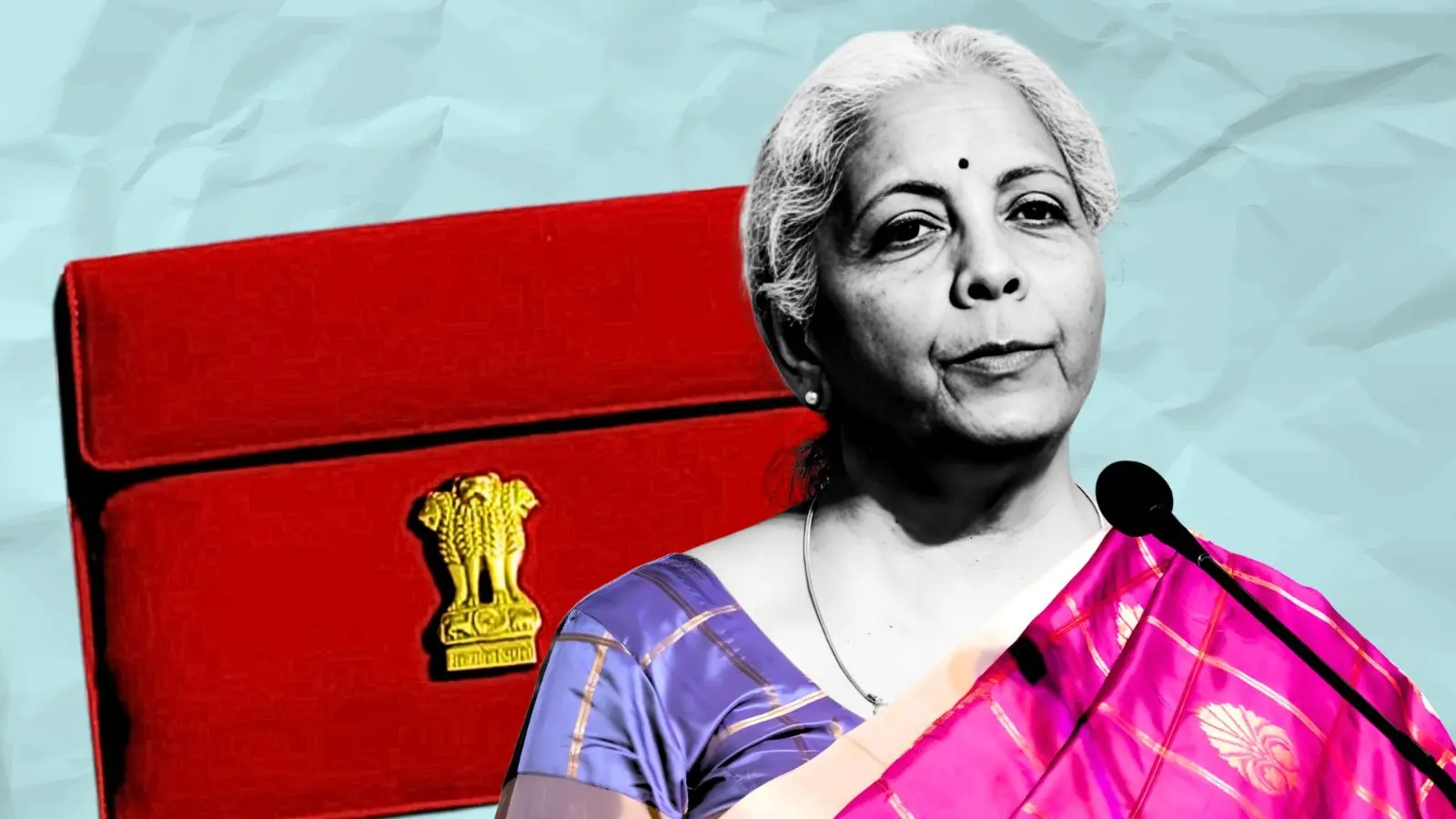
The government is betting big on technology, manufacturing, and small businesses.
The Union Budget 2026–27 is a landmark blueprint that accelerates India’s transition from a services provider to a global sovereign technology power. The government is betting big on technology, manufacturing, and small businesses. The plan has three clear legs. Each one reshapes a different part of the economy.
The biggest number is Rs. 40,000 crore. That is the new outlay for the Electronics Components Manufacturing Scheme. It is nearly double last year's Rs. 22,919 crore. India Semiconductor Mission 2.0 has also been launched. It now covers chip equipment manufacturing and domestic IP development. The goal is clear: build India's full-stack tech capabilities from scratch.
Reacting to the budget's announcements, Kapil Joshi, CEO of IT Staffing at Quess Corp, called it a "landmark blueprint." He said India is now securing capabilities "from design and R&D to high-end manufacturing." For Joshi, this is about more than growth. "It is about owning intellectual property and building the 'global brain' of the world by 2047," he said.
The IT services sector got its own set of reforms. Software development, KPO, and contract R&D are now under one category. A unified safe harbour margin of 15.5% applies across the board. The qualifying threshold has jumped from Rs. 300 crore to Rs. 2,000 crore. Approvals will be automated. No more manual tax officer scrutiny. Foreign cloud companies using Indian data centres have been offered a tax holiday until 2047. That is a signal aimed squarely at global tech giants.
MSMEs are the other big story. A Rs. 10,000 crore SME Growth Fund has been announced. The government is also rolling out Corporate Mitras. These are accredited professionals who will help small firms with compliance. TCS on overseas remittances has been slashed to just 2%. It was as high as 20% before. For the staffing and services sector, that frees up significant working capital.
Lohit Bhatia, CEO of Quess Corp, also sees a bigger shift at play. The Budget, he said, moves India "from subsidy-led support to structural enablement." The TCS cut is a "major Ease of Doing Business reform," Bhatia added. It will strengthen the entire services ecosystem, he said.
“This Budget signals a decisive shift towards Viksit Bharat 2047, moving from subsidy-led support to structural enablement. With a sharp focus on the SET framework (Scale, Efficiency, Technology) for MSMEs, the introduction of Corporate Mitras, and an ambitious push to secure a 10% share of global services, the government is laying the foundation for a formal, high-value employment-driven economy positioning India as the world’s talent and technology capital. The rationalization of TCS to 1–2% is a major Ease of Doing Business reform for the staffing and services sector, instantly freeing up working capital and strengthening the entire ecosystem,” he said.
India already commands over 10% of global IT services. The government wants to push the country's overall services share beyond 4.3%. The Budget sets the policy framework to do that. But analysts are watching closely. Output targets tied to the electronics scheme are missing. The Corporate Mitras programme is still being designed. Execution, as always, will be the real test.
Trending Videos

Satya Niketan Tragedy: CM Rekha Gupta Ka Angry Action | Delhi News

Ravi Kishan Ne Gorakhpur Ko Bataya Spain, Ho Gaya Bawal?

Can Gen Z Live Without A Phone For One Day?

Swara Bhaskar’s Remarks Spark Controversy!

Can Gen Z Survive Without Memes? IMPOSSIBLE! Fun or Full-Blown Addiction?

26 Pahalgam Files: Detailed stories of the families in Pahalgam Attack

Archana Puran Singh Responds to Samay Raina: What Is the Debate Really About?

Gut Ko Healthy Kaise Rakhein? Kya Khayein, Kya Avoid Karein? Dr. Anshika Gupta

UPSC Prelims 2026 Result: Why Are Hindi Medium Aspirants So Angry?

Weight Loss Ka Diet Plan with Mitushi Ajmera | Fitness & Sports Nutritionist

IVF, S#X & Pregnancy Ke 40 Myths Ka Sach | Dr. Astha Gupta

Operation Safed Sagar Cast on Kargil Stories

Jagannath Rath Yatra 2026: Kya Hai Iska Kalki Connection?