Curapod Review: A Wearable That Takes Pain Management Seriously
Story Highlights
Curapod is a wearable photobiomodulation device that uses red and near-infrared light therapy to target musculoskeletal pain at the source.

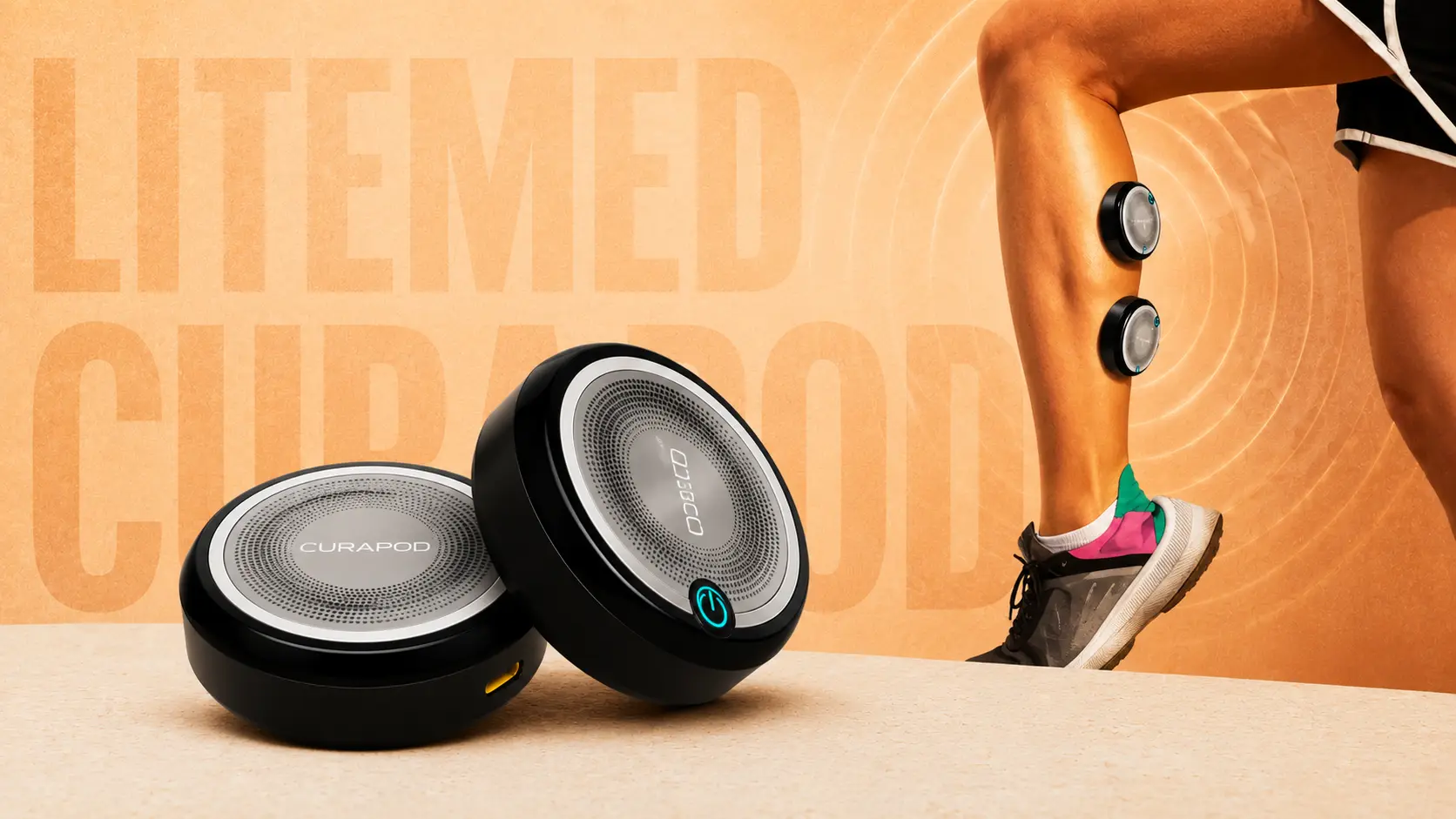
Curapod is a wearable photobiomodulation device that uses red and near-infrared light therapy to target musculoskeletal pain at the source.
There is a particular kind of pain that doesn't make it into emergency rooms. It's the kind that accumulates quietly over months or years. A lower back that protests after two hours at a desk, a knee that flinches climbing stairs, a neck that tightens up on difficult days. This is the pain that most people manage with a rotating cast of ibuprofen, heating pads, occasional physiotherapy sessions they can rarely afford consistently, and a general acceptance that this is simply what life feels like now. The pharmaceutical industry has had this market largely to itself for decades. Consumer med-tech is only recently beginning to offer alternatives that are grounded in real clinical science rather than wellness mythology.
The Curapod, developed by Hyderabad-based health technology company Litemed, is one of the more credible entrants in this space that I have come across. It is a wearable photobiomodulation device that uses red and near-infrared light therapy to target musculoskeletal pain at the source. Having used it over a month period, my assessment is this: it is a genuinely useful device for a specific kind of user, built on legitimate science, but it requires patience and consistency that most people underestimate before purchase.
Build and Design: The Curapod is smaller than I expected. The device itself is a compact, rounded unit that sits comfortably in the palm. It doesn't look or feel clinical, which is a deliberate design choice. It's the kind of thing you can leave on a table without it becoming a conversation piece about medical equipment.
The box includes two Curapod devices, two Type-C charging cables, a power adaptor, dongles, fifty adhesive patches for direct skin contact use, two adjustable straps for different body areas, two casings, a quick start guide, and a detailed user manual. The inclusion of two devices is practical. It allows bilateral use (both knees simultaneously, for instance) or treatment of two different pain sites without switching the device between sessions.
The adhesive patches and adjustable straps are the two primary attachment methods, and they serve different anatomical needs. The patches work well for flatter, more accessible areas like the lower back or a specific knee point. The straps are better suited to joints with more curvature. The shoulder, ankle, or along the cervical spine. Getting the placement right matters more than most users initially realise, and the onboarding materials address this reasonably well.
The device charges via Type-C and reaches full charge in approximately 45 minutes to an hour. It's fully cordless during sessions, which is one of its practical advantages over larger panel-based red light therapy devices.
App and User Experience: The Curapod is controlled through a companion mobile application rather than through physical controls on the device itself. This is where one of the few genuine design criticisms surfaces: there is no physical power button. The only way to turn the device on or off is through the app. This means if you accidentally activate the device while setting it up, the app is your only recourse to switch it off. A minor but real inconvenience, particularly for older users who may not be as comfortable navigating a mobile interface for a function as basic as turning a device off.
The app itself is functional. It allows you to add your pain site, connect to the device via Bluetooth, and initiate a session. Session parameters are pre-configured based on the pain area you select, which removes the guesswork around dosing. A genuinely good design decision, since incorrect dosing (too little or too much energy delivered to the tissue) is one of the more common ways users undermine PBM outcomes. Sessions last approximately 30 minutes, during which the device can be left in place while you work, read, or rest.
I want to be direct about something before getting into what I experienced, because I think it is the most important thing to understand before buying this device: PBM therapy is not an analgesic. It does not block pain signals the way an NSAID does. You are not suppressing pain — you are supporting the biological processes that address the underlying tissue condition. The timeline for results is therefore measured in days and weeks, not minutes. I went into this review knowing that, but I suspect many buyers don't.
What to Realistically Expect: I used the Curapod primarily on my lower back and neck. two areas where I carry chronic tension from long hours at a desk. Running two to three sessions a day through the first week, I noticed a reduction in morning stiffness by around day five. It wasn't dramatic. I didn't wake up one day feeling transformed, but the stiffness that typically takes me twenty minutes of moving around to shake off was noticeably less pronounced. By the end of the second week, mobility felt meaningfully better, and I was reaching for ibuprofen less frequently than I had been in the weeks before.
The neck responded more quickly than the lower back. After about ten days of consistent use, the tightness that builds through a long working day was reduced enough that I noticed it. The lower back took closer to three weeks to show a comparable shift. What I can say with confidence is that the device works when you use it consistently.
Who This Device Is Actually For: Having used it, I have a clearer sense of who the Curapod will serve well and who it won't. It is not a replacement for physiotherapy when what you need is manual correction, structural rehabilitation or a professional clinical assessment. It is not an emergency pain tool. It won't substitute for medication in conditions where pharmacological intervention is genuinely indicated.
What it is, is a credible support tool for everyday musculoskeletal pain. The chronically stiff lower back, the arthritic knee, the shoulder that never fully recovered from an old injury, the neck that pays the price for long hours at a screen. For people in that situation, the realistic options have historically been periodic physiotherapy (expensive and logistically demanding to maintain consistently), painkillers (with known long-term concerns), or simply living with it. The Curapod is a fourth option. Non-invasive, drug-free and usable at home without rearranging your day around it.
Its regulatory standing also sets it apart from the noise in this category. The CDSCO Class B approval and FDA registration reflect a device that has gone through a formal safety and efficacy evaluation, including multicentric clinical trials at institutions like Apollo Hospitals and NIMS. In a market full of wellness gadgets making vague claims about light and healing, that distinction matters.
Verdict: After a month with the Curapod, I can say it earns its place in the pain management conversation. It is built on science, carries legitimate regulatory credentials and for the right user. Someone managing chronic everyday musculoskeletal discomfort who is willing to commit to consistent daily use, it works. Not dramatically, not overnight but genuinely and progressively. So, if you are managing the kind of pain that never quite makes it to the top of your medical priority list but quietly degrades the quality of your days, the Curapod is worth serious consideration.
Trending Videos

Sonipat: Pitbull Ne Bacche Par Hamla Kyun Kiya? Victim Family Recalls Ordeal

AI Can Kill Humans by 2029?

Aesthetic Culture: Gen Z Ko Aesthetic Kyun Dikhna Hai?

Women's Mental Health: What is Postpartum Depression

Kya 2029 Tak Jari Rahega PM Modi Ka Rajyog? Astrology Decoded

Marghat Wale Hanuman Mandir Ka Rahasya

Gurugram Hit & Run: Women Bikers Should Be More Careful?

Can Gen Z Live Without A Phone For One Day?

Swara Bhaskar’s Remarks Spark Controversy!

Operation Safed Sagar Cast on Kargil Stories

Can Gen Z Survive Without Memes? IMPOSSIBLE! Fun or Full-Blown Addiction?

26 Pahalgam Files: Detailed stories of the families in Pahalgam Attack

Archana Puran Singh Responds to Samay Raina: What Is the Debate Really About?